Japan · 30 min · Fish · Main course · For confident cooks
Sanma no Kabayaki
In German: Makrelenhecht nach Kabayaki-Art · In English: Kabayaki-style Pacific saury
For 2 servings · US units
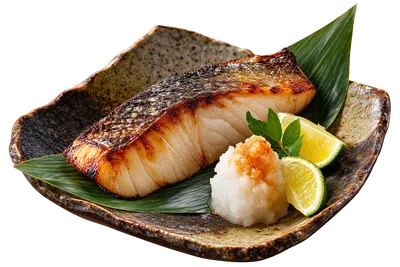
Pacific saury, pan-fried until crisp and glazed with soy sauce and mirin
When Pacific saury comes into season in autumn, Sanma no Kabayaki is one of the nicest ways to eat it: the fillets are fried golden brown, then glazed in a sweet-savory sauce of soy sauce, mirin, sugar and sake. Spoon them over warm rice as a donburi, pour the sauce on top, and you have a whole meal.
Ingredients
- 2Pacific saury (sanma)whole fish, filleted and cut into pieces
- 2 tbspsoy saucefor the sweet-savory glaze
- 2 tbspfor the glazeSweet Japanese rice wine for cooking that gives sauces and glazes a mild sweetness and shine.Substitute: Sake or dry sherry with some sugar, about one teaspoon per tablespoon, comes close; sweetness and shine are roughly right, but the rounded, slightly malty depth of mirin is missing.Read more
- 1 tbspsugarfor the glaze
- 1 tbspfor the glazeJapanese rice wine, used in cooking mainly to round out flavours, tame fishy notes and add umami.Substitute: Dry sherry or Chinese Shaoxing wine come closest but bring their own stronger flavour; mirin is not a substitute because it is distinctly sweet.Read more
- 2 tbspFlourfor dusting the fillets
- 1 tbspOilfor pan-frying
- 1 pinchsaltto lightly season the fillets
- sansho peppersprinkled on before serving (optional)
- 1 tspsansho berry tsukudanigreen sansho berries simmered in soy, mixed into sauce or rice (optional)
- shichimi togarashifor heat, in the sauce or sprinkled over (optional)
- 10½ ozricecooked, warm, as a donburi base (optional)
- 4cut into thin strips, for garnish (optional)Aromatic leaves of a Japanese herb in the mint family, fresh and spicy, somewhere between mint, basil and anise.Substitute: There is no true substitute, because the aroma is unique. A mix of fresh mint and basil captures the freshness but not the spicy, anise-like note; Korean perilla leaves come closer but taste coarser and more sesame-like, and are tougher in texture.Read more
- 1green onioncut into pieces, briefly cooked in the sauce (optional)
Method
- Fillet the fishFillet the saury into three pieces, meaning two fillets and the backbone, and discard the bone. Halve the fillets or cut them into pieces about 4–5 cm long.
- Salt and pat drySprinkle the pieces lightly with salt and let them sit for a short while. Carefully pat away any liquid that comes out with paper towels.
- Dust with flourDust the fillets all over with a thin layer of all-purpose flour and tap off the excess.
- Mix the sauceFor the sauce, stir the soy sauce, mirin, sugar and sake together in a small bowl until the sugar has dissolved.
- Pan-fry the filletsHeat the vegetable oil in a frying pan and lay in the fillets over medium heat, flesh side down, that is, the inner side that faced the belly, with the skin facing up. This follows the principle of "Umibara Kawase", by which sea fish is cooked belly side first. Once that side is golden brown, turn the pieces and fry the skin side until golden brown too.
- Remove the excess fatPour off the rendered fat and any excess oil, or soak it up with paper towels, so the sauce will cling properly later.
- Reduce the sauceTurn the heat down, pour the sauce into the pan and let it reduce slightly. If you like, add the Japanese leek, cut into pieces, at this point and let it cook briefly in the sauce.
- Glaze the filletsTurn the fillets in the thickening sauce until they are glossy and glazed all over.
- Plate and servePlate the fish, drizzle it with the remaining sauce and sprinkle with ground sansho pepper if you like.
Tips and variations
For a donburi, lay the glazed fillets on warm rice and pour the sauce over; thin strips of shiso on top go nicely with it. Instead of pan-frying, you can also grill or deep-fry the fish and reduce the sauce separately in a small pot. If you have time, salt the fillets the day before and let them rest in the fridge overnight. Other ways to make it: ponzu in place of soy sauce and sugar, potato starch instead of flour with skinless fish and a little pepper, shichimi togarashi in the sauce for heat, or a little dashi powder in the sauce along with sansho berry tsukudani and Japanese leek cooked in the sauce. Leftovers are good folded into tamagoyaki, too.
Allergens
Contains: Fish, Cereals containing gluten, Soybeans
May contain if you use the optional ingredients: Sesame
These notes follow from this recipe's ingredient list. Ready-made products and brands may contain further allergens — please check the packaging yourself.
Something not right?
This recipe was put together from independent sources and checked before publishing. Even so, a mistake can slip through — an amount that does not add up, a step that does not work as written. If you spot something, write to us: we will look into it and put it right.