Japan · 90 min · Fish · Main course · For beginners
Takenoko Gohan
In German: Reis mit Bambussprossen · In English: Bamboo shoot rice
For 4 servings · US units
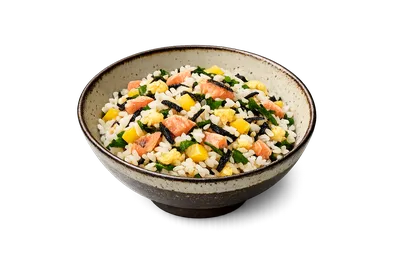
Rice cooked with bamboo shoots, abura-age and carrot in soy sauce and mirin
Takenoko means bamboo shoot and gohan means rice, and that's the whole idea: the shoots cook right in the seasoned rice with abura-age and carrot, lending it their mild, gently nutty flavour. Takenoko Gohan is known as a dish of bamboo shoot season, made in spring with fresh shoots. Pre-boiled shoots from a pack or a can work just as well.
Ingredients
- 12⅓ ozricewashed, soaked and drained (about 2 to 2½ gō)
- 4⅔ ozpre-boiled or canned; cut into small strips, slices or cubesCaution: Fresh bamboo shoots contain cyanide-releasing compounds when raw and must be peeled and thoroughly boiled before eating.Young, tender shoots of the bamboo plant, mild and crisp with a fibrous bite.Substitute: There is no true substitute; canned water chestnuts match the crunch but are sweeter and less fibrous.Read more
- 1cut into thin strips or small diceThin slices of deep-fried tofu, golden outside and hollow and airy inside, so they can be opened into pouches.Substitute: There is no truly good substitute. Chinese fried tofu puffs from an Asian grocery soak up broth in a similar way and work in soups and braises, but they are thicker and cannot be opened into pouches. Tofu from the supermarket that you fry yourself does not puff up hollow and stays dense, so it is no use for stuffed pouches.Read more
- 2½ ozcarrotcut into fine julienne
- 1⅔ cupswatercooking liquid, fill up to the mark for the amount of rice
- 1⅔ cupsinstead of water as cooking liquid; instant dashi is fine (optional)Japan's basic stock, usually steeped from kombu seaweed and dried bonito flakes: clear, lightly smoky, deeply savoury.Substitute: The closest stand-in is instant dashi in granules or sachets; it is usually saltier and a little flatter, so go easy on further seasoning. For a vegetarian version, soak kombu and dried shiitake in cold water. Chicken or vegetable stock is not a good substitute: it brings its own heavier flavour, and the dish no longer tastes Japanese.Read more
- 2 tbspsoy saucelight soy sauce (usukuchi) also works
- 1½ tbspto season the cooking liquidSweet Japanese rice wine for cooking that gives sauces and glazes a mild sweetness and shine.Substitute: Sake or dry sherry with some sugar, about one teaspoon per tablespoon, comes close; sweetness and shine are roughly right, but the rounded, slightly malty depth of mirin is missing.Read more
- 1½ tbspcooking sakeJapanese rice wine, used in cooking mainly to round out flavours, tame fishy notes and add umami.Substitute: Dry sherry or Chinese Shaoxing wine come closest but bring their own stronger flavour; mirin is not a substitute because it is distinctly sweet.Read more
- ½ tspsalt
- kinome (young sansho leaves)finely chopped for garnish, if available (optional)
- rice branonly for boiling fresh bamboo shoots; rice-washing water as alternative (optional)
Method
- Parboil the fresh bamboo shootIf you have a fresh bamboo shoot, cut off the tip at an angle and score the skin lengthwise. Boil the shoot in plenty of water with a handful of rice bran or some rice-washing water for about 1 hour, until a wooden skewer slides in easily. Let it cool in the cooking liquid, then peel it and rinse it well.
- Drain pre-cooked shootsIf you're using pre-boiled or canned bamboo shoots, simply drain them well.
- Wash and soak the riceWash the rice until the water runs almost clear, soak it for 30 to 60 minutes, then drain it well.
- Cut up the toppingsCut the bamboo shoots into small strips, slices or cubes. The tender tips are best cut lengthwise, the firmer base crosswise. Cut the abura-age into thin strips or small dice and the carrot into fine julienne.
- Season the rice and add liquidPut the rice in a pot or rice cooker and add the soy sauce, mirin, sake and salt. Top up with water or dashi to the mark for your amount of rice.
- Layer the toppings and cookSpread the bamboo shoots, abura-age and carrot evenly over the top without stirring them in, so the rice cooks evenly. Then cook the rice as you normally would.
- Rest and fluff the riceOnce it's done, leave the rice to steam with the lid on for 5 to 10 minutes. Then fluff it gently with a rice paddle so the vegetables and tofu are spread through.
- Serve with kinomeSpoon the Takenoko Gohan into bowls and scatter finely chopped kinome over the top if you can get hold of some.
Tips and variations
For more flavour in the add-ins, marinate the bamboo shoots, abura-age and carrot for 10 minutes in soy sauce, sugar and sake first. Or fry them briefly in oil, let them simmer in the seasoning for 1 to 2 minutes, and tip them onto the rice along with their liquid. If you'd rather keep it simple, season with shiro dashi alone or use a ready-made seasoning mix with add-ins. No rice cooker? It works in the microwave too: 6 minutes at 600 W, stir, then 15 minutes at 200 W and 10 minutes to rest. To serve, a little fresh kinome rounds off this spring rice nicely, but it's still good without.
Allergens
Contains: Cereals containing gluten, Soybeans
May contain if you use the optional ingredients: Fish
These notes follow from this recipe's ingredient list. Ready-made products and brands may contain further allergens — please check the packaging yourself.
Something not right?
This recipe was put together from independent sources and checked before publishing. Even so, a mistake can slip through — an amount that does not add up, a step that does not work as written. If you spot something, write to us: we will look into it and put it right.