Japan · 40 min · Fish · Side dish · For beginners
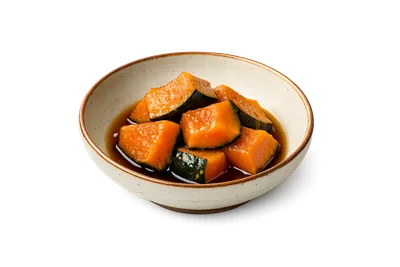
Satoimo no Nimono
In German: Geschmorte Taro-Kartoffeln in Sesam-Miso · In English: Simmered taro in sesame miso
For 3 servings · US units
Taro simmered in dashi, glazed with light miso and toasted sesame
Satoimo no nimono is taro simmered in dashi until tender, then coated in light miso and freshly toasted sesame, glossy and savoury on the outside and soft, almost creamy inside. It's a side dish that suits the cooler months of autumn and winter, and it travels well in a bento box too.
Ingredients
- 15¾ ozpeeled, cut into bite-size piecesCaution: Satoimo contains calcium oxalate and must not be eaten raw, and peeling it can make the skin itch, so wear gloves or briefly parboil the corms first.Small, hairy Japanese taro corm; cooked, it turns creamy and soft with a slightly slippery surface and a mild, nutty, earthy taste.Substitute: Larger taro from an African or Turkish shop is the best substitute, just a little firmer and less slippery, and should be cut into pieces. Small waxy potatoes are a stopgap: shape and cooking time roughly match, but the creamy, slick texture and nutty note are lost, and the sauce will thicken less.Read more
- ½ tspsaltfor rubbing the taro to remove the sliminess
- 1¼ cupsbonito stock, or water with dashi granulesJapan's basic stock, usually steeped from kombu seaweed and dried bonito flakes: clear, lightly smoky, deeply savoury.Substitute: The closest stand-in is instant dashi in granules or sachets; it is usually saltier and a little flatter, so go easy on further seasoning. For a vegetarian version, soak kombu and dried shiitake in cold water. Chicken or vegetable stock is not a good substitute: it brings its own heavier flavour, and the dish no longer tastes Japanese.Read more
- 1½ tbspadded to the simmering stockJapanese rice wine, used in cooking mainly to round out flavours, tame fishy notes and add umami.Substitute: Dry sherry or Chinese Shaoxing wine come closest but bring their own stronger flavour; mirin is not a substitute because it is distinctly sweet.Read more
- 1 tbspsugarto season the simmering liquid
- 1½ tbspsoy sauceto season the simmering liquid
- 2 tbspfor sweetness and glossSweet Japanese rice wine for cooking that gives sauces and glazes a mild sweetness and shine.Substitute: Sake or dry sherry with some sugar, about one teaspoon per tablespoon, comes close; sweetness and shine are roughly right, but the rounded, slightly malty depth of mirin is missing.Read more
- 2 tbsppreferably white/light miso, loosened with a little stockA fermented paste of soybeans, salt and often rice or barley: salty, savoury and deep in flavour.Substitute: Soy sauce supplies salt and savouriness, but neither the body nor the rounded, faintly sweet depth of the paste; it will do at a pinch in soups and marinades, but not in glazes and dressings, where miso provides body. Light and dark miso can stand in for each other if you use the dark one more sparingly.Read more
- 2 tbspsesame seedstoasted and ground, or use sesame paste
- 10½ ozchicken thighbite-size pieces, for a heartier version (optional)
- snow peasblanched, as garnish (optional)
Method
- Peel and clean the taroWash the taro, peel it and cut it into bite-size pieces. Rub the pieces firmly with the salt, then rinse the slime off thoroughly under running water.
- Parboil the taroPut the taro in a pot of water and parboil for about 3 to 8 minutes, depending on the size of the pieces. Drain and give them another quick rinse.
- Toast and grind the sesameMeanwhile, toast the white sesame seeds in a dry pan until they smell fragrant, then grind them finely.
- Simmer taro in dashiPut the taro in a pot with the dashi and cooking sake and simmer for about 7 to 8 minutes.
- Season and keep simmeringAdd the sugar, soy sauce and mirin and simmer for another 4 to 5 minutes. If the taro isn't fully covered by the liquid, put a lid on the pot and turn the pieces once halfway through.
- Stir in miso and sesameLoosen the miso with a little of the simmering liquid until smooth, then add it to the taro along with the ground sesame.
- Reduce over low heatTurn the heat down low and let everything reduce, turning the taro gently now and then so the pieces don't fall apart. It's done when there's hardly any liquid left and the taro is tender.
- Serve and garnishSpoon the taro into small bowls and, if you like, garnish with blanched snow peas or spring onions.
Tips and variations
For a heartier dish, add chicken thigh, either browned in sesame oil first or pre-cooked in the dashi. White Saikyo miso makes it milder, and a knob of butter stirred in at the end gives it an extra shine. Leave out the miso and sesame and simmer it with just soy sauce, sugar and mirin for a plainer version. Carrot, konnyaku and green beans, browned in sesame oil beforehand, also simmer nicely alongside. For bento, you can toss cooked taro in a paste of toasted sesame, miso, honey and a little mashed taro and serve it cold. The snow peas on top aren't just for looks: they bring a fresh crunch to the soft taro.
Allergens
Contains: Fish, Cereals containing gluten, Sesame, Soybeans
These notes follow from this recipe's ingredient list. Ready-made products and brands may contain further allergens — please check the packaging yourself.
Something not right?
This recipe was put together from independent sources and checked before publishing. Even so, a mistake can slip through — an amount that does not add up, a step that does not work as written. If you spot something, write to us: we will look into it and put it right.