Japan · 40 min · Vegan · Dessert · For confident cooks
Ichigo Daifuku
In English: Strawberry Daifuku
For 4 servings · US units
A whole strawberry wrapped in anko (sweet bean paste) and soft, chewy mochi
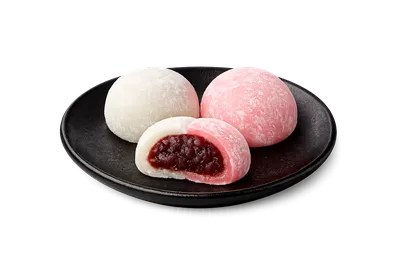
Ichigo Daifuku is known as a winter wagashi, a Japanese sweet: a whole strawberry in the middle, a layer of anko around it and a thin, stretchy mochi dough on the outside. One bite gets you tart fruit, sweet anko and soft dough all at once. The dough comes together in the microwave, so four of these are ready in about 40 minutes, just right for winter and spring when strawberries are around.
Ingredients
- 4strawberrieswashed, patted dry, hulled; smaller berries work best
- 3½ ozsweet bean paste (anko)white or red, smooth or chunky; divided into portions to wrap the strawberries
- 1¾ ozfor the mochi doughJapanese flour made from glutinous rice, coarse-grained and white, used to form smooth, elastic dumplings such as dango.Substitute: Mochiko or Thai glutinous rice flour from an Asian shop will work because they come from the same rice, but the dough turns out slightly less silky and a little firmer, and since they absorb water differently, add it gradually until the dough feels like an earlobe. Ordinary rice flour or wheat flour is no substitute, as neither becomes chewy and elastic.Read more
- 1 ozsugarfor the dough
- ⅓ cupwaterfor the dough; much less when using ready-made rice cakes
- 2 tbspfor dusting the surface, hands and dough, as neededFine white starch powder from potatoes, used in Japan as katakuriko for thickening and coating.Substitute: Tapioca starch comes closest. Cornstarch also thickens, but gives cloudier, less glossy sauces and fried coatings that are less crisp.Read more
- 1 pinchsaltin the dough or the bean paste (optional)
- 5¼ ozkirimochi (rice cakes)instead of glutinous rice flour, cut small and softened with a little water (optional)
Method
- Prepare the strawberriesWash the strawberries, pat them thoroughly dry and remove the hulls. Smaller berries are easier to wrap later on.
- Wrap the berries in ankoDivide the anko into four equal portions. Flatten each portion, set a strawberry on top and close the anko around it. If you like, leave the tip of the strawberry peeking out.
- Mix the mochi doughFor the dough, mix the glutinous rice flour and sugar in a microwave-safe bowl, adding a pinch of salt if you like. Stir in the water a little at a time until the dough is smooth and free of lumps.
- Microwave the doughCover the bowl and cook the dough in the microwave at 500–600 watts in intervals of 1–2 minutes. Stir it vigorously between each interval until it turns thick, sticky and translucent.
- Divide the dough on starchDust your work surface generously with potato starch or cornstarch, tip the hot dough onto it and dust the top as well. Divide the dough into four equal pieces.
- Cool and dust your handsLet the pieces cool briefly until you can handle them comfortably. Dust your hands with starch too, so nothing sticks.
- Shape and seal the daifukuFlatten one piece of dough and place a wrapped strawberry in the center, tip facing down. Stretch the dough up and over the filling and pinch the seam firmly closed, then turn the daifuku over so the seam sits underneath and the tip points up. The mochi covers the whole berry, including a tip you left peeking out of the anko. Repeat with the remaining pieces.
- Dust and serveDust the finished daifuku lightly all over with starch and set them seam side down on a plate. Chill them briefly before serving if you like.
Tips and variations
Instead of glutinous rice flour, you can use ready-made rice cakes (kirimochi): cut them small and soften them with much less water in a pot or in the microwave. The dough can also be cooked in a steamer. White anko works in place of red. You can also make white anko yourself by cooking down dried bean powder with water, sugar and salt. One version sweetens the dough with amazake instead of sugar and uses a fermented bean paste in place of the regular anko. Tofu cream can go in as an extra layer of filling alongside the anko. To serve, halve a daifuku with a sharp knife so the cross-section shows the red strawberry in the middle.
Allergens
Contains: Cereals containing gluten
These notes follow from this recipe's ingredient list. Ready-made products and brands may contain further allergens — please check the packaging yourself.
Something not right?
This recipe was put together from independent sources and checked before publishing. Even so, a mistake can slip through — an amount that does not add up, a step that does not work as written. If you spot something, write to us: we will look into it and put it right.